Introduction
Web Reconnaissance is the foundation of a thorough security assessment. This process involves systematically and meticulously collecting information about a target website or web application. Think of it as the preparatory phase before delving into deeper analysis and potential exploitation. It forms a critical part of the "Information Gathering" phase of the Penetration Testing Process.
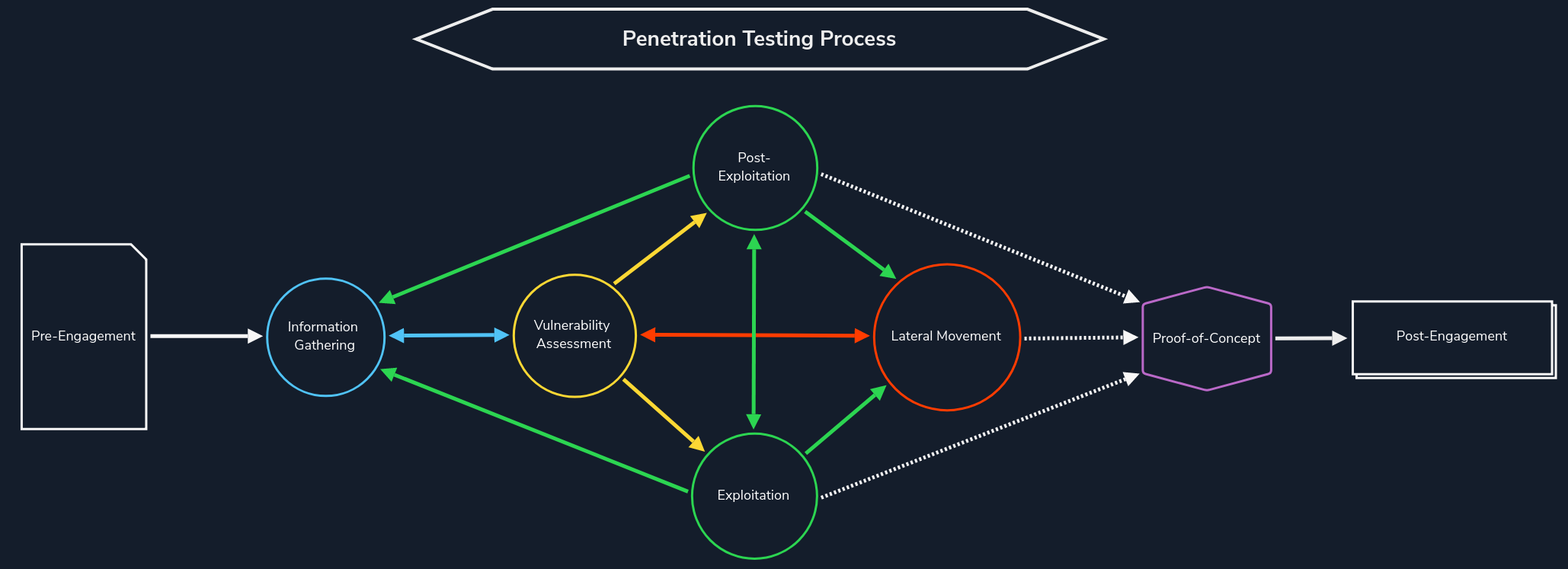
The primary goals of web reconnaissance include:
- Identifying Assets: Uncovering all publicly accessible components of the target, such as web pages, subdomains, IP addresses, and technologies used. This step provides a comprehensive overview of the target's online presence.
- Discovering Hidden Information: Locating sensitive information that might be inadvertently exposed, including backup files, configuration files, or internal documentation. These findings can reveal valuable insights and potential entry points for attacks.
- Analysing the Attack Surface: Examining the target's attack surface to identify potential vulnerabilities and weaknesses. This involves assessing the technologies used, configurations, and possible entry points for exploitation.
- Gathering Intelligence: Collecting information that can be leveraged for further exploitation or social engineering attacks. This includes identifying key personnel, email addresses, or patterns of behaviour that could be exploited.
Attackers leverage this information to tailor their attacks, allowing them to target specific weaknesses and bypass security measures. Conversely, defenders use recon to proactively identify and patch vulnerabilities before malicious actors can leverage them.
Types of Reconnaissance
Web reconnaissance encompasses two fundamental methodologies: active and passive reconnaissance. Each approach offers distinct advantages and challenges, and understanding their differences is crucial for adequate information gathering.
Active Reconnaissance
In active reconnaissance, the attacker directly interacts with the target system to gather information. This interaction can take various forms:
Active reconnaissance provides a direct and often more comprehensive view of the target's infrastructure and security posture. However, it also carries a higher risk of detection, as the interactions with the target can trigger alerts or raise suspicion.
Passive Reconnaissance
In contrast, passive reconnaissance involves gathering information about the target without directly interacting with it. This relies on analysing publicly available information and resources, such as:
Passive reconnaissance is generally considered stealthier and less likely to trigger alarms than active reconnaissance. However, it may yield less comprehensive information, as it relies on what's already publicly accessible.
In this module, we will delve into the essential tools and techniques used in web reconnaissance, starting with WHOIS. Understanding the WHOIS protocol provides a gateway to accessing vital information about domain registrations, ownership details, and the digital infrastructure of targets. This foundational knowledge sets the stage for more advanced recon methods we'll explore later.