Application security is a critical component of information security and is often a significant factor in breaches if not properly implemented. It focuses on protecting software applications from external threats throughout their entire lifecycle. This encompasses a wide range of practices, tools, and methodologies designed to identify, prevent, and mitigate security vulnerabilities in application code and its associated infrastructure.
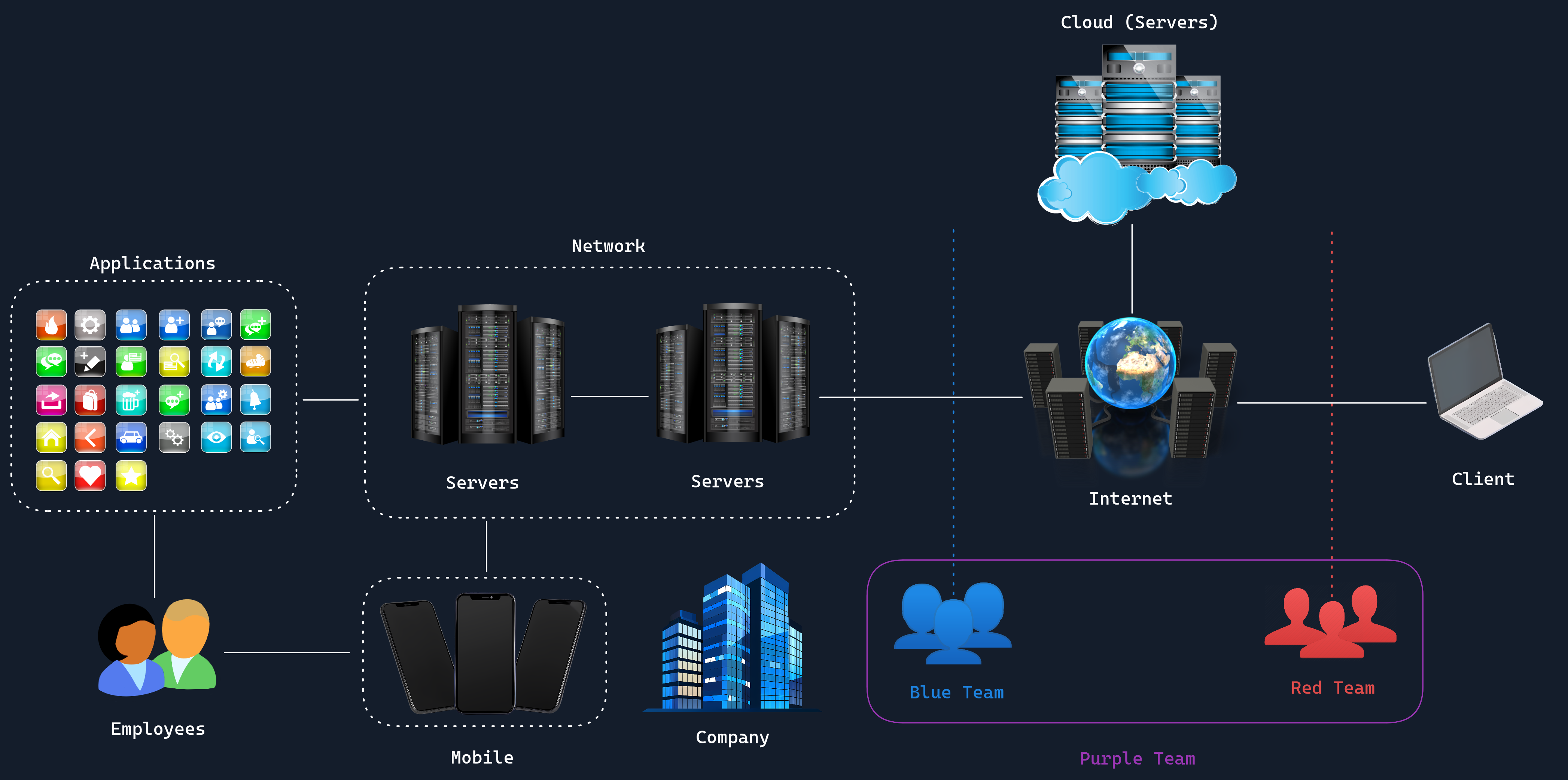
The primary goal is to ensure that applications are developed, deployed, and maintained in a manner that preserves the confidentiality, integrity, and availability (CIA Triad) of the data they process and the systems they interact with. This is particularly crucial in today's interconnected digital landscape, where applications often handle sensitive information and are exposed to a myriad of potential threats from malicious actors.
Application Security begins at the earliest stages of the software development lifecycle and continues through to deployment and ongoing maintenance. It involves a combination of secure coding practices, rigorous testing procedures, and the implementation of various security controls. Developers play a crucial role in this process by writing code that adheres to security best practices and is resistant to common vulnerabilities such as SQL injection, cross-site scripting (XSS), and buffer overflows.
Imagine you're designing a house, and the goal is to make sure it's safe from burglars (hackers) and natural disasters (threats). Below is a simple pseudo-code for how Application Security can work, broken down step by step:
Pseudo-Software-Application
Now, imagine we are working with software that could be vulnerable. To make this concept easier to understand, we will use pseudocode as an example. This example will illustrate how a program (or the process of building and securing a house) might function.
Pseudocode is a simplified, informal way of describing a program's logic and structure. It uses plain language mixed with basic programming concepts, making it easy to understand for both technical and non-technical audiences. Unlike actual code, pseudocode isn't meant to be executed by a computer but serves as a guide to visualize how a process or program works.
Code: python
# 1. Start Building the House (Develop the App)
def build_house():
    # Put locks on doors and windows (Secure Authentication)
    install_locks_on_doors_and_windows()

    # Use strong walls and materials (Write Secure Code)
    use_strong_materials_for_walls()

    # Ensure the roof doesn't leak (Encrypt Data)
    install_waterproof_roof()


# 2. Inspect the House for Weak Spots (Test for Vulnerabilities)
def inspect_house():
    # Check if doors are locked properly (Penetration Testing)
    test_if_locks_are_working()

    # Make sure there are no cracks in the walls (Check for Bugs)
    look_for_cracks_in_walls()

    # Test if the roof holds up against rain (Test Data Security)
    test_roof_with_water()


# 3. Keep the House Safe Over Time (Ongoing Security Monitoring)
def maintain_house_security():
    # Watch out for unusual activity (Monitor for Threats)
    install_security_cameras()

    # Fix any new cracks or broken locks (Patch Vulnerabilities)
    repair_cracks_and_replace_broken_locks()


# The overall process of Application Security
def protect_application():
    build_house()              # Develop the app securely
    inspect_house()            # Test for vulnerabilities
    maintain_house_security()  # Monitor and maintain security over time


# Call the function to secure the application (House)
protect_application()
Let's break it down:
1. Start Building the House (Develop the App)
- Locks on doors and windows: When you create an app, you need to make sure only the right people can get in (authentication), like how a house needs good locks to keep strangers out.
- Strong walls and materials: The app's code should be solid and free from weaknesses that hackers could exploit, just like you would build a house with strong materials to prevent it from collapsing.
- Waterproof roof: Encrypting data means protecting sensitive information, like making sure your house’s roof doesn’t leak during rain. This ensures no one can read or steal your data while it's being transferred.
2. Inspect the House for Weak Spots (Test for Vulnerabilities)
- Test if locks are working: This is like testing an app to see if hackers can break in by trying different methods (penetration testing).
- Look for cracks in walls: Just as you’d inspect a house for any cracks, developers need to check their app’s code for bugs or weak spots that could be used by attackers.
- Test roof with water: After you’ve built the app, you need to make sure sensitive data stays protected, just like testing a roof to ensure it doesn't leak during a storm.
3. Keep the House Safe Over Time (Ongoing Security Monitoring)
- Install security cameras: Even after building and testing your app, you must monitor it regularly to catch any new threats or problems, just like using security cameras to watch for intruders.
- Fix cracks and replace broken locks: Apps need regular updates to fix vulnerabilities or bugs, just like how you would repair cracks or replace broken locks to keep a house safe.
Now, when the test_if_locks_are_working() process goes wrong, such as when the checker skips testing a door due to an error or lack of time to replace the lock, it leaves a vulnerable entry point. If an intruder (hacker) notices that this specific lock isn’t working, they can exploit that weakness to break into the house (the application).
One key approach is called Security by Design, which means that security isn't something you think about later, but rather you build into the app from the start. To continue with our analogy, imagine you’re building a house. If you design it with security in mind from the very beginning, you’ll choose strong materials, secure locks, and maybe even set up a surveillance system while the house is still under construction. This way, the house is secure from the ground up, not as an afterthought once it’s already built. However, security doesn’t stop at the app’s code. Just like a house needs a secure neighborhood, reliable utilities, and good lighting, apps also need a safe environment.
In software development, Security by Design works the same way. When creating an app, developers think about security right from the planning stage. This can include:
- Threat modeling: Like imagining all the ways someone might break into your house, threat modeling helps developers figure out potential risks to the app early on.
- Secure code reviews: After writing the code, developers carefully check it to make sure there are no weak spots, similar to inspecting the house’s foundation for cracks before finishing construction.
- Servers and databases: These are like the land your house sits on and the water supply it uses. If they aren’t secure, the whole system is at risk.
- Authentication and authorization: Think of these as high-quality locks on your doors. Authentication ensures only the right people can get in, while authorization makes sure they can only access the rooms (data) they’re allowed to.
Application Security Responsibility
The responsibility for Application Security typically falls to several different roles within an organization. Application developers are on the front lines, responsible for writing secure code and implementing security features. Security architects design the overall security structure of applications and their supporting infrastructure. IT operations teams are responsible for maintaining the security of the production environment where applications run. The overall management of Application Security often falls to a dedicated Application Security Manager or, in larger organizations, to the Chief Information Security Officer (CISO). These individuals are responsible for setting application security policies, ensuring compliance with relevant security standards and regulations, and overseeing the implementation of security measures across all of an organization's applications.
Testing the security of an application is a crucial part of the process and is typically carried out by specialized security testers or penetration testers. These professionals use a variety of tools and techniques to identify vulnerabilities in applications, including static and dynamic analysis tools, fuzzing techniques, and manual code reviews. They may also perform simulated attacks on applications to test their resilience to real-world threats. However, the overall application security assessment is not a one-time effort but an ongoing process. New vulnerabilities and attack techniques are constantly emerging, requiring continuous monitoring, testing, and updating of security measures. This often involves the use of automated security tools that can scan applications for vulnerabilities on an ongoing basis, as well as regular security assessments and penetration tests.
Nowadays, where data breaches and cyber attacks can result in significant financial losses, reputational damage, and legal consequences, robust Application Security is essential for any organization that develops or uses software applications.
Many companies face the challenge of balancing security with the time pressure to launch applications quickly. This is a common struggle, as businesses are often in a hurry to release new apps or updates to stay competitive in the market. However, rushing the process can lead to shortcuts in security, which may leave the application vulnerable to attacks. Imagine you’re building a house, but you’re on a tight deadline to move in. You might be tempted to skip a few steps to finish faster, maybe you don’t check every installed window or rush the installation of locks on the doors in the backyard. While the house may look ready, the lack of proper security checks could leave it exposed to burglars.
By implementing comprehensive Application Security measures, organizations can protect their critical data and systems, maintain the trust of their users, and ensure the continuity of their operations in the face of evolving cyber threats.