Imagine you're the owner of a candy store filled with delicious treats that are constantly in demand. You lock the cash register and secure the candy displays, but if someone breaks into the store after hours, they could take everything. Physical security is like installing sturdy locks on your doors, setting up an alarm system, and maybe even hiring a security guard to protect your store from burglars. It's all about keeping the bad guys out so your sweets (or in the case of many real-life businesses, sensitive information) stay safe.
In terms of information security, it refers to the protection of the actual hardware and facilities that store and process data. This includes computers, servers, server racks, network equipment, and even printed documents. The goal is to prevent unauthorized people from physically accessing these resources, which could lead to data breaches, theft, or damage.
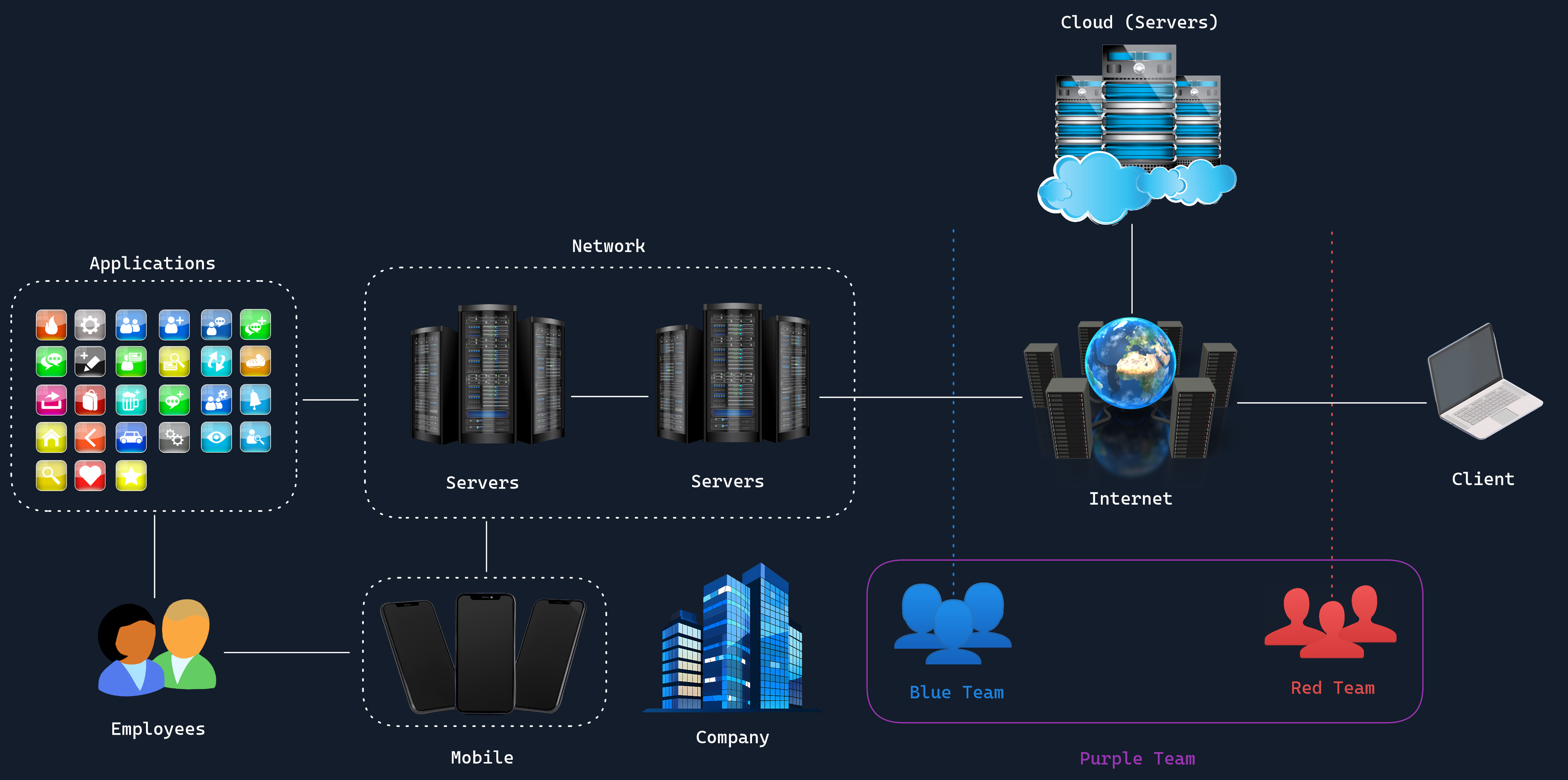
Far more than just locks and guards, physical security is a comprehensive approach integrating people, processes, and technology to create a robust defense against physical threats. It involves a wide range of elements, from architectural considerations in building design to access control systems, surveillance, environmental controls, and personnel security practices.
The primary goal of physical security is to create layers of protective measures that deter, detect, delay, and respond to potential physical threats. This layered approach, often referred to as "defense in depth," ensures that if one security measure fails, others are in place to maintain protection. For instance, a secure facility might have perimeter fencing to deter intruders, access control systems to detect unauthorized entry attempts, reinforced doors to delay forced entry, and on-site security personnel to respond to breaches.
It is crucial for several reasons:
- It protects valuable assets including expensive equipment and critical data stored on physical devices from theft or damage.
- It safeguards personnel, ensuring the safety of employees and visitors within a facility.
- It helps maintain operational continuity by preventing disruptions caused by physical security breaches.
- It often forms a critical part of regulatory compliance, with many industries required to implement specific physical security measures to protect sensitive information.
Responsibility
The responsibility for physical security typically falls under the purview of a dedicated physical security team or department. This team often reports to a Chief Security Officer (CSO) or a Chief Information Security Officer (CISO) in organizations where physical and information security are closely integrated. The physical security team works closely with facilities management, human resources, and IT departments to implement and maintain security measures.
However, the responsibility for physical security typically involves other several roles within an organization:
- Facilities Management Team: They maintain the building and ensure that physical security measures are in place and functioning.
- IT Security Team: They focus on securing the hardware and network equipment, often working closely with physical security teams.
- All Employees: Everyone has a role in following security protocols, such as not propping open secure doors or sharing access cards.
Testing physical security is a specialized field that requires a unique set of skills and knowledge. Penetration testers with the extended focus of physical tests, also known as Red Teamers, are professionals who simulate real-world attacks to identify vulnerabilities in physical security measures. Such physical vulnerabilities could be:
These tests can range from attempting to bypass access control systems to social engineering attacks aimed at manipulating personnel into granting unauthorized access. Physical security testing also includes assessing the effectiveness of security cameras, testing the response times of security personnel, and evaluating the resilience of physical barriers.
In the context of information security, physical security plays a crucial role in protecting the confidentiality, integrity, and availability of data. Even the most sophisticated cybersecurity measures can be rendered ineffective if an attacker gains physical access to systems or storage devices. Therefore, a comprehensive information security strategy must include robust physical security measures to truly protect an organization's information assets.