Network security is like the security system of a house, but instead of protecting your home, it protects a computer network from threats. Just as a security system guards your doors, windows, and valuables, network security safeguards the data and devices on your network, ensuring they stay safe from intruders, whether they’re external hackers or internal threats.
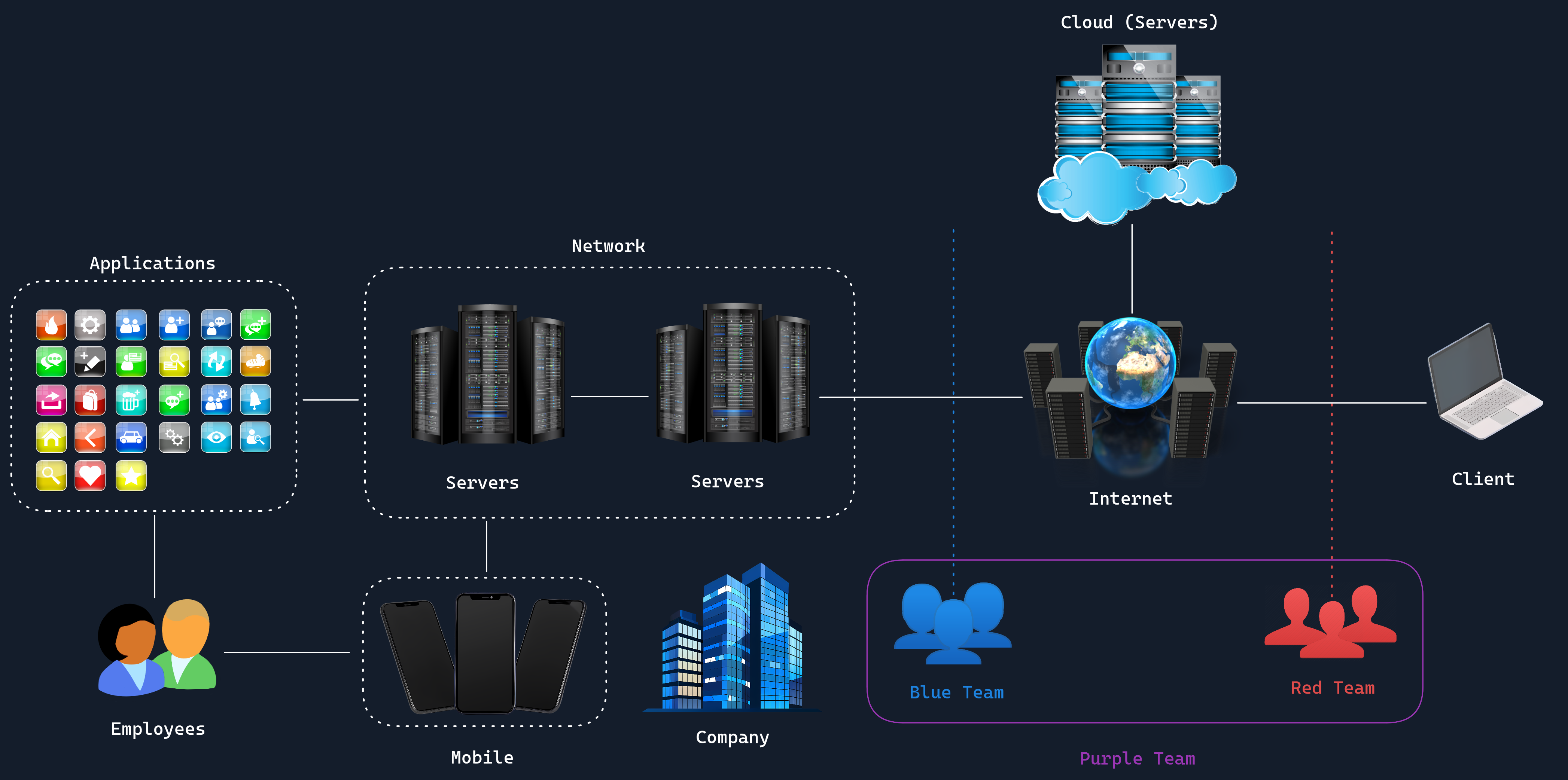
In simpler terms, network security is a crucial component of information security that safeguards the network and the data transmitted through it. It employs a variety of tools and techniques to detect, prevent, and defend against various security threats.
Several key elements work together to form a comprehensive protection strategy in network security. These are but not limited to:
Imagine network security as a diligent mail carrier responsible for delivering sensitive letters and packages across a bustling city. Just as the mail carrier protects the integrity, confidentiality, and timely delivery of mail, network security safeguards the integrity, confidentiality, and availability of data across computer networks.
- The mail carrier's uniform and ID badge represent authentication mechanisms, ensuring only authorized personnel handle the mail.
- The locked mailbag acts as a firewall, separating trusted mail from potential threats and allowing only verified items to pass through.
- The carrier's vigilant eye, always on the lookout for suspicious packages, mirrors Intrusion Detection and Prevention Systems (IDS/IPS).
- Secure courier services for highly confidential documents are akin to Virtual Private Networks (VPNs), providing extra protection for sensitive data.
- The use of tamper-evident seals on packages represents encryption technologies, ensuring the contents remain unreadable to unauthorized parties.
Just as the mail carrier navigates various challenges to ensure safe and timely delivery, network security employs multiple strategies to protect data as it travels across the digital landscape.
However, just like skilled burglars might find a way to pick a lock or sneak through an open window, cybercriminals can sometimes use advanced techniques to bypass firewalls. This means that while a firewall is an important first line of defense, it doesn't provide complete protection for the network.
Cybersecurity threats can range from financially motivated attacks, such as ransomware and data theft, to state-sponsored espionage and hacktivism. The potential consequences of a successful network breach can be severe, including financial losses, reputational damage, legal liabilities, and operational disruptions. Furthermore, with the increasing adoption of cloud computing, Internet of Things (IoT) devices, and remote work arrangements, the attack surface for potential threats has expanded significantly, making comprehensive network security essential for maintaining business continuity and protecting valuable assets.
Responsibility
The responsibility for network security typically falls under the purview of an organization's IT department, specifically the network security team. This team is often led by a Network Security Manager or a similar role, who reports to the Chief Information Security Officer (CISO) or an equivalent executive position. The network security team is responsible for designing, implementing, and maintaining the organization's network security infrastructure. This includes configuring and managing security devices, developing and enforcing security policies, monitoring network traffic for potential threats, and responding to security incidents.
Testing network security is a critical aspect of maintaining its effectiveness. This task is often performed by dedicated security professionals, such as penetration testers or ethical hackers. These individuals simulate real-world attacks on the network to identify vulnerabilities and weaknesses in the existing security measures. Their findings help organizations understand their security posture and prioritize improvements. In larger organizations, there may be an internal team dedicated to this function, while smaller companies might engage external security consultants or managed security service providers to conduct regular security assessments.
The overall management of network security typically involves collaboration between several key stakeholders within an organization. At the highest level, the CISO or equivalent role is responsible for setting the overall security strategy and ensuring that network security aligns with business objectives and risk tolerance. The IT management team, including the CIO and IT Director, play a crucial role in allocating resources and integrating security measures into the broader IT infrastructure. Network administrators and security analysts are responsible for the day-to-day operations and monitoring of network security. Additionally, compliance officers ensure that network security measures meet relevant regulatory requirements, while risk management teams assess and prioritize security investments based on potential impact to the business.
Network security, as you can probably imagine, is a complex and dynamic field that requires ongoing attention and expertise. It forms a crucial line of defense against cyber threats, protecting an organization's most valuable digital assets.