Imagine you're carrying a physical treasure chest everywhere you go, filled with your most valuable possessions like personal letters, ID, contacts, keys, money, family photos, financial documents, contracts, and even confidential work files. This treasure chest is your mobile device, a smartphone or tablet that holds a vast amount of sensitive information. Just as you would protect a real treasure chest from thieves and snoopers, it's crucial to safeguard your mobile device from various digital threats. This is where mobile security comes into play.
Mobile security is a vital aspect of information security that focuses on protecting mobile devices, the data they store, and the networks they connect to from a wide range of threats. These threats can include hackers trying to steal personal information, malicious apps aiming to corrupt your device, or unsecured networks exposing your data to prying eyes. As mobile devices become an integral part of our daily lives, ensuring their security is more important than ever.
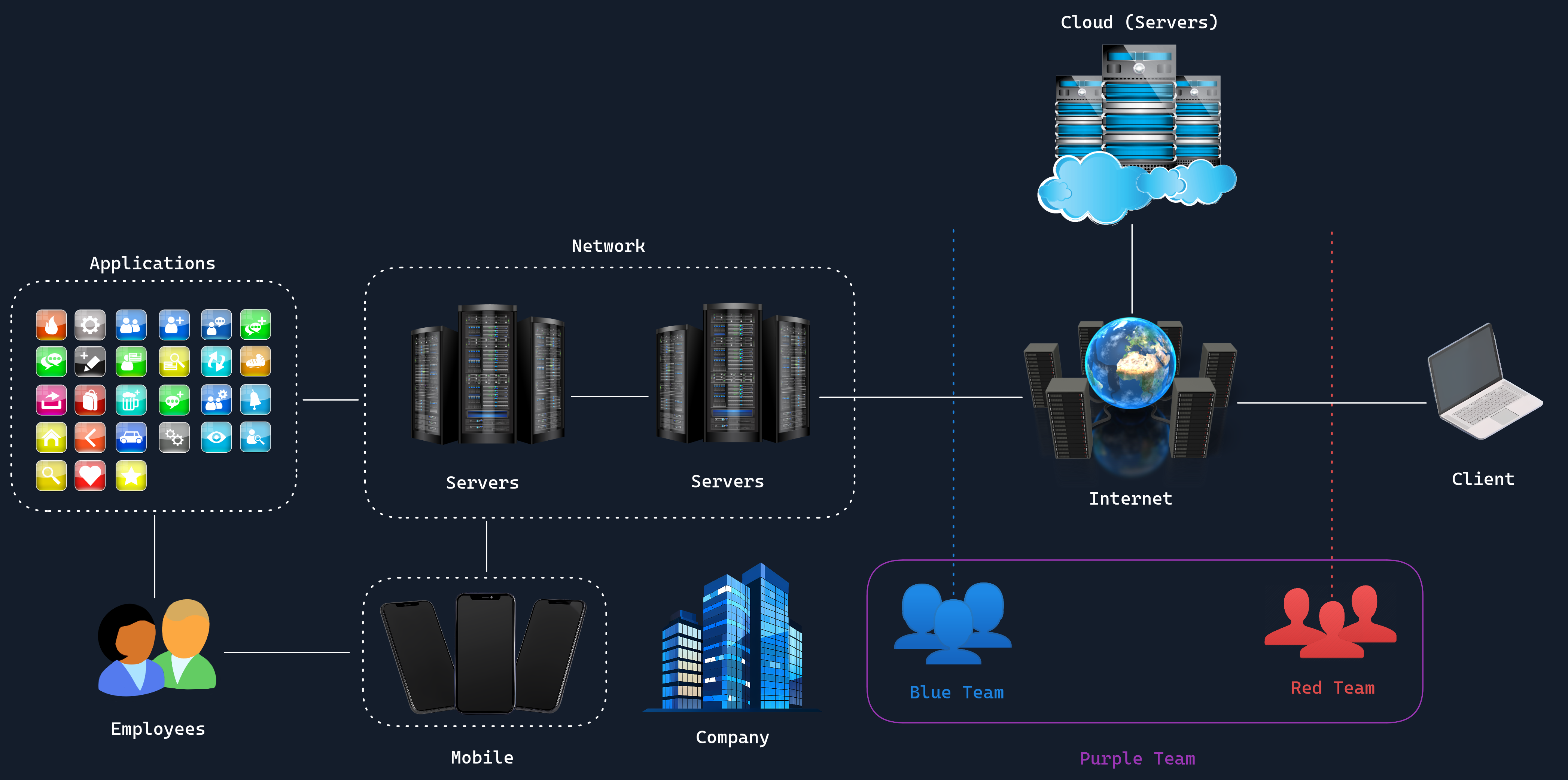
The primary goal of mobile security is to safeguard the sensitive information stored and transmitted by mobile devices. This includes personal data like contacts and messages, financial information such as banking details and credit card numbers, and corporate data like confidential emails and business documents. Mobile devices often serve as gateways to our personal and professional lives, making them attractive targets for cybercriminals.
Device Protection
Protecting mobile devices involves several layers of security measures, each addressing different aspects of potential vulnerabilities.
To keep your treasure chest secure, you need strong locks that prevent unauthorized access (device security). This is achieved through passcodes, which act like keys that only you possess. Biometric authentication adds an extra layer by using unique physical characteristics like fingerprints or facial recognition, making it even harder for someone else to unlock your device. Additionally, features like remote wipe capabilities allow you to erase all data on your device if it's lost or stolen, ensuring that your information doesn't fall into the wrong hands.
Inside your treasure chest are your valuables, the data. Even if someone manages to break into the chest, you can still protect your treasures by placing them in a safe within the chest (data security). In the digital world, this is done through encryption, which scrambles your data so that it can only be read with the correct decryption key. Secure backups act like duplicates of your treasures stored safely elsewhere, so you don't lose everything if something happens to your device. Data loss prevention strategies ensure that sensitive information isn't accidentally shared or leaked.
When you use your mobile device to connect to the internet, it's like sending your treasures through a network of roads (network security). Public Wi-Fi networks are like unguarded roads where bandits (hackers) can easily intercept your valuables. Protecting your device on these networks is crucial. Virtual Private Networks (VPNs) act like secure, private tunnels that shield your data as it travels, preventing others from eavesdropping. Secure communication protocols ensure that the data exchanged between your device and other services remains confidential and tamper-proof.
Apps are like the tools and gadgets you place inside your treasure chest. However, not all tools are safe and some might be faulty or even deliberately harmful (application security). App vetting involves carefully selecting which apps to install, much like inspecting tools before using them. Permission management allows you to control what each app can access on your device, ensuring they don't overreach and access more information than necessary. Secure development practices by app creators help ensure that apps are built with security in mind from the ground up.
Responsibility
Protecting mobile devices within an organization is a collaborative effort involving several key roles:
- IT departments implement and manage security solutions like secure networks and device encryption
- Chief Information Security Officers (CISOs) develop overarching security strategies, assess risks associated with mobile device use, and ensure compliance with legal and regulatory requirements
- Security teams specialize in testing and assessing security measures, conducting penetration testing to identify and address vulnerabilities
- IT security managers oversee day-to-day operations, ensuring that policies are followed, security tools are functioning correctly, and adapting measures to counter new threats.
Nowadays, mobile security is an essential. Mobile devices serve as extensions of ourselves, holding keys to both our personal lives and professional responsibilities. Protecting these devices is not just about keeping the hardware safe but about securing the vast amounts of sensitive data they carry and the networks they connect to.