The Blue Team serves as the frontline defense in the cybersecurity, comprising a diverse group of specialists who collaborate to protect an organization's digital infrastructure.
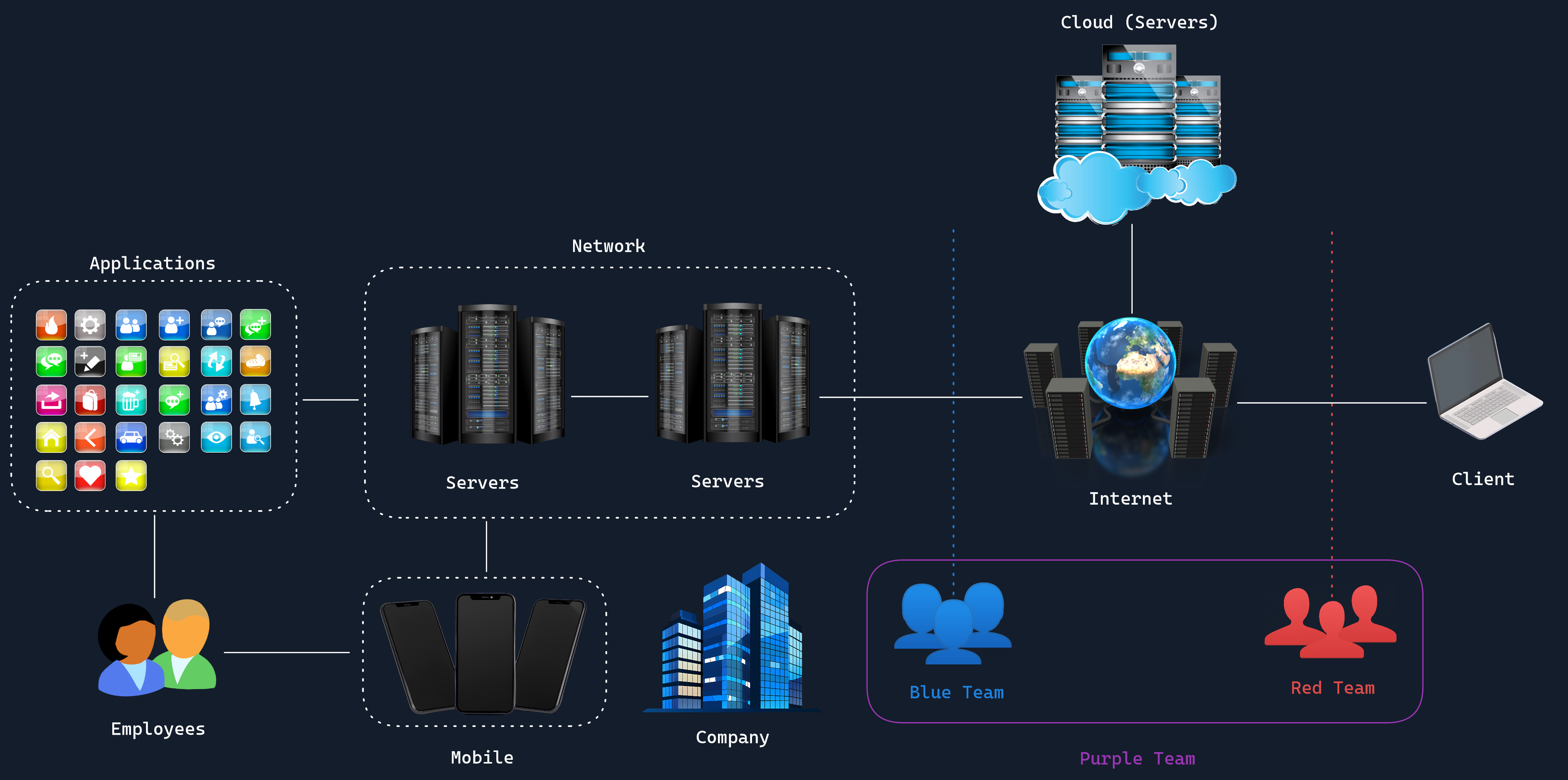
This team is a well-orchestrated unit, each member playing a crucial role in maintaining the integrity and security of the network. Those teams usually consist of:
Security Analysts form the vigilant eyes of the team, constantly monitoring networks and systems for any anomalies or suspicious activities. They are akin to guards keeping a watchful eye on security cameras, ready to raise the alarm at the first sign of trouble.
When security breaches occur, Incident Responders spring into action. These digital first responders swiftly assess the situation, contain the threat, and work tirelessly to mitigate any damage, much like a rapid-response unit in a physical security scenario.
Complementing the reactive measures, Threat Hunters take a proactive stance in cybersecurity defense. These digital detectives tirelessly search for hidden threats or vulnerabilities within the system, often uncovering potential risks before they can be exploited by malicious actors.
Rounding out the team are the Security Engineers, the architects of the organization's digital fortifications. They design, implement, and maintain robust security measures, effectively building and reinforcing the digital walls and moats that keep intruders at bay.
Together, these specialists form a formidable defense against the ever-evolving landscape of cyber threats, working in concert to safeguard the organization's valuable digital assets.
At the heart of the Blue Team is the Security Operations Center (SOC), which acts as the command center. Staffed 24/7, the SOC coordinates all security activities, ensuring constant vigilance against cyber threats which we will discuss later in the Security Operations Center section.
Purpose
The Blue Team's primary mission is to safeguard an organization's digital assets from cyber threats. This multifaceted role encompasses a range of critical objectives. First and foremost, they focus on prevention, implementing robust security measures that act as a deterrent to potential attackers. These measures may include firewalls, intrusion detection systems, and stringent access controls. Simultaneously, the team maintains constant vigilance, employing advanced monitoring tools to detect any unusual activities or potential threats in real-time. This proactive approach allows for swift identification of security breaches or attempted intrusions.
When a threat is detected, the Blue Team's ability to respond effectively becomes paramount. They are trained to act decisively, containing and neutralizing threats before they can inflict significant damage. This rapid response capability is crucial in minimizing the impact of any security incidents. Beyond these reactive measures, the Blue Team is also responsible for maintaining and enhancing the organization's overall security posture.
This involves continuous learning and adaptation, staying abreast of emerging threats and evolving attack methodologies. By regularly updating security protocols, patch management, and employee training programs, the Blue Team ensures that the organization's defenses remain robust and current in the face of an ever-changing threat landscape.
In essence, the Blue Team acts as the immune system of an organization's digital body. Just as the immune system identifies, neutralizes, and remembers threats to our physical health, the Blue Team works tirelessly to detect, respond to, and learn from cyber threats. They create a robust defense mechanism that not only fights off current attacks but also strengthens the organization's resistance to future threats, ensuring the long-term health and security of its digital ecosystem.
Objectives
The Blue Team's objectives encompass a comprehensive approach to cybersecurity, focusing on four key areas:
Continuous monitoring involves vigilant oversight of the organization's digital landscape using advanced tools such as Security Information and Event Management (SIEM) systems, Intrusion Detection Systems (IDS), Endpoint detection and response (EDR), and sophisticated analytics platforms. These tools work in concert to identify potential security issues, detect unauthorized activities, and spot patterns that might indicate threats.
Implementing robust security controls is another crucial objective. This includes deploying firewalls to manage network traffic, establishing access controls to restrict data and system access, conducting regular patch management to address vulnerabilities, and utilizing encryption protocols to safeguard sensitive information. When security incidents occur, the Blue Team's incident response capabilities come into play. They follow a structured approach of investigating the breach, containing its spread, eradicating the threat, recovering affected systems, and learning from the incident to enhance future defenses.
Lastly, collaboration and training form a vital component of the Blue Team's objectives. This involves working closely with other departments to align security measures with business operations, providing comprehensive employee education to foster a security-conscious culture, and continuously developing their own skills to stay ahead of emerging threats. By focusing on these objectives, the Blue Team creates a robust, adaptive, and proactive defense against the ever-evolving landscape of cyber threats.
Table of Contents Introduction InfoSec Domains Threats Cybersecurity Teams Job Roles
My Workstation
OFFLINE
/ 1 spawns left