An insider threat refers to the danger that comes from individuals who have authorized access to an organization's resources, such as employees, contractors, or business partners. Unlike external attackers who breach defenses from the outside, insider threats originate from within the organization. These insiders misuse their access privileges to harm the organization, either intentionally or unintentionally.
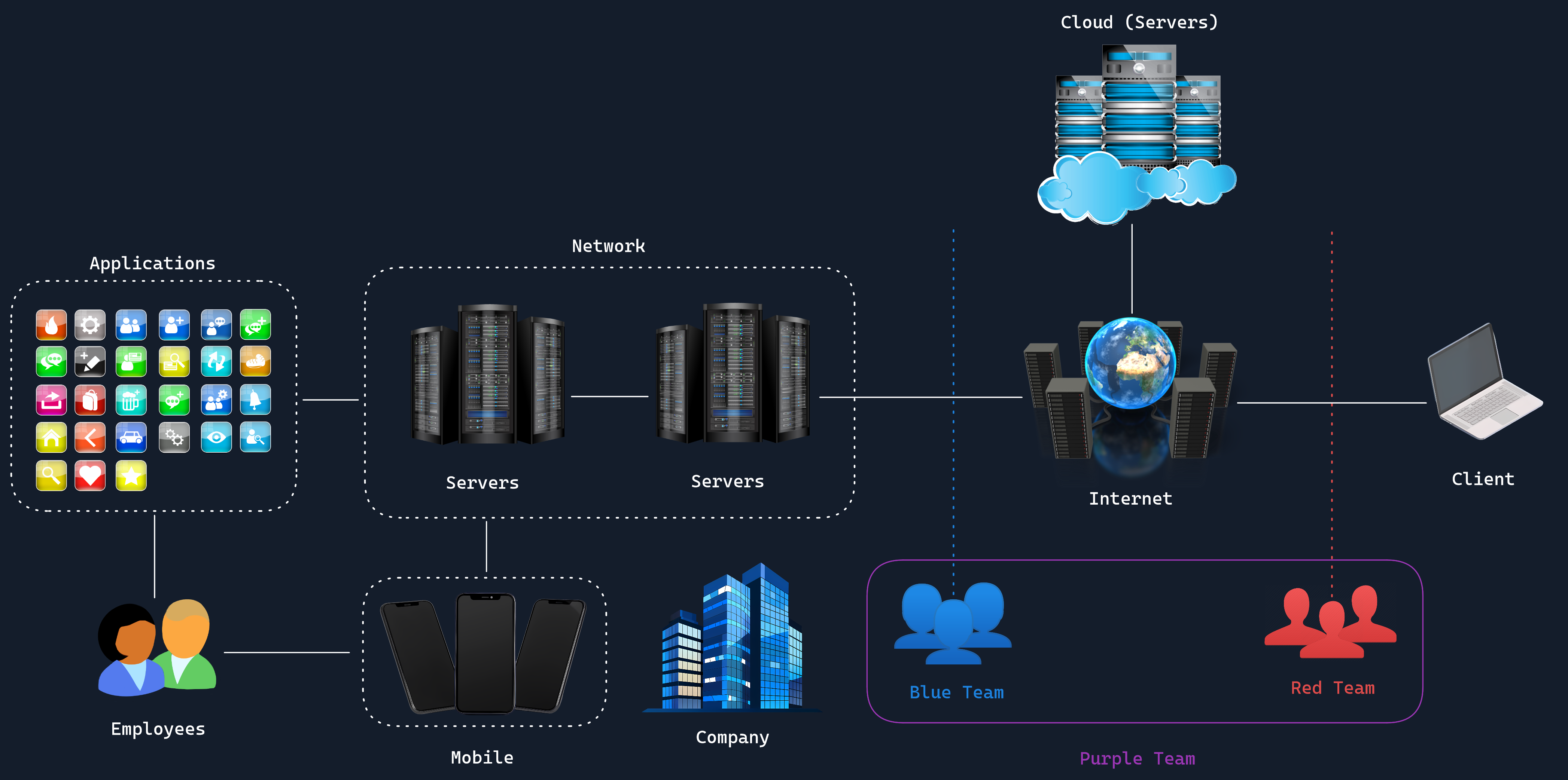
There are different types of insider threats:
- Malicious Insiders: These are individuals who intentionally seek to cause harm. They might steal sensitive information, sabotage systems, or commit fraud for personal gain, revenge, or to benefit another organization.
- Negligent Insiders: These individuals don't intend to cause harm but do so through carelessness or lack of awareness. For example, an employee might accidentally send confidential information to the wrong email address or fall for a phishing scam that compromises security.
- Compromised Insiders: In this case, external attackers gain access to insider credentials, like usernames and passwords, often through hacking or social engineering. They then operate within the organization's systems as if they were legitimate users.
Imagine you own a bustling cafe that's famous in town for its unique coffee blends and secret recipes. You've invested in high-tech security systems: cameras, alarms, and secure locks to keep burglars out after hours. However, you didn't expect that one of your trusted baristas might secretly copy your secret recipes and sell them to a rival cafe. This scenario illustrates the concept of an insider threat, a risk that comes from within your own trusted circle, posing potential harm to your business in ways you might not have anticipated.
The greatest danger of insider threats lies in their ability to operate under the radar. Since these individuals already have legitimate access to systems and data, their actions often blend in with normal activities, making detection difficult. They know where valuable information is stored, understand the organization's processes, and can exploit weaknesses that outsiders might not be aware of.
How it works
Insider threats typically follow a pattern known as the insider threat kill chain, which consists of several stages. The process begins with motivation, where the insider develops a reason to act against the organization, such as personal grievances, financial incentives, or external coercion. This is followed by a planning phase, during which they assess their access privileges and identify valuable assets to exploit.
The insider then moves to preparation, gathering necessary tools or information to execute their plan, which may involve copying data or learning to bypass security controls. The execution stage is where the malicious activity occurs, potentially including data theft, system sabotage, or unauthorized sharing of confidential information. Finally, in the concealment stage, the insider attempts to avoid detection by covering their tracks, which can involve deleting logs, using others' credentials, or disguising their actions as routine tasks.
Since insiders operate within the organization's trusted environment, their activities often don't raise immediate red flags. They know the security measures in place and how to avoid triggering alerts. Additionally, organizations may focus more on external threats, inadvertently overlooking risks that come from within.
Impact
The impact of an insider threat can be severe and multifaceted, often causing significant damage to an organization. Financial losses can be substantial, ranging from direct theft of funds to the costs associated with data breaches, system downtime, and legal repercussions. Reputational damage is another critical concern, as news of an insider breach can erode customer trust, potentially leading to loss of business and decreased market value.
Operational disruptions can occur if critical systems or data are compromised, affecting productivity and service delivery. In cases involving intellectual property theft, an organization may lose its competitive edge. Additionally, insider threats can have a demoralizing effect on employees, damaging internal culture and trust. The full extent of the impact may not be immediately apparent, as some consequences, like stolen trade secrets or long-term reputational damage, can continue to affect the organization for years after the initial incident.
Organizations must navigate a complex landscape of legal and regulatory requirements designed to protect sensitive information. Failure to comply with these mandates can result in severe consequences. Data protection laws, such as the General Data Protection Regulation (GDPR) and the Health Insurance Portability and Accountability Act (HIPAA), impose substantial fines for inadequate safeguarding of personal data. Similarly, non-adherence to industry standards like the Payment Card Industry Data Security Standard (PCI DSS) can lead to penalties and loss of accreditation.
Legal ramifications can extend to lawsuits, with affected customers or partners potentially filing class-action suits for damages, while shareholders in publicly traded companies might pursue legal action due to negative impacts on stock value. Moreover, regulatory bodies may respond to breaches by imposing rigorous audits, investigations, or sanctions, thereby increasing oversight and operational constraints on the organization. These multifaceted repercussions underscore the critical importance of robust insider threat prevention and detection measures.