Social engineering is similar to the tactics of a con artist, relying on psychological manipulation to deceive individuals into revealing confidential information or taking actions that compromise security. Instead of using technical methods to breach systems, social engineers take advantage of human nature—our tendencies to trust and assist others.
In the realm of cybersecurity, social engineering is a significant threat because it targets the human element, often considered the weakest link in security defenses. No matter how advanced the technical safeguards are, if an attacker can trick a person into revealing passwords or granting access, they can bypass even the most robust systems.
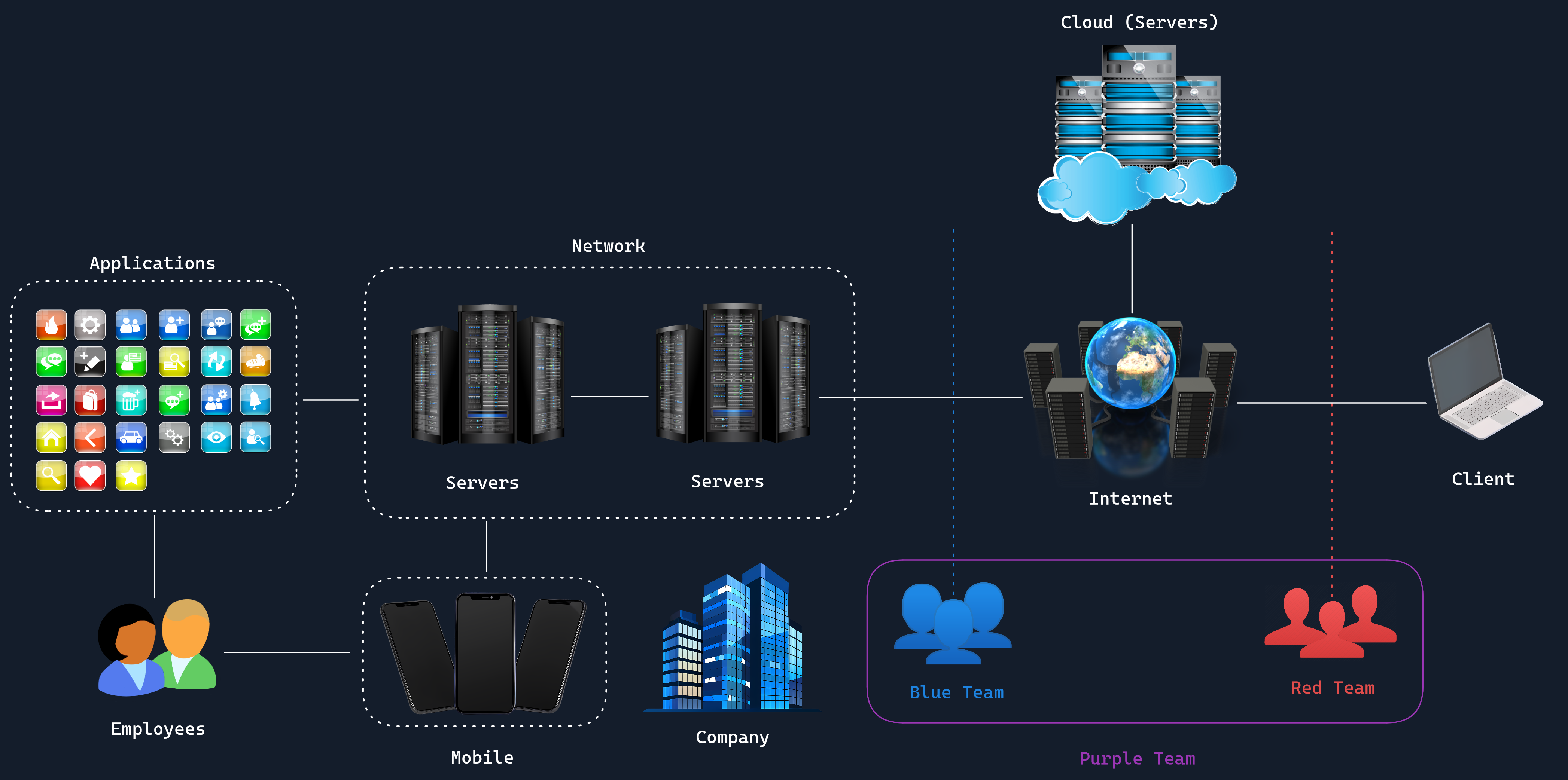
Imagine you're at a busy train station, and a friendly stranger approaches you. They seem helpful and trustworthy, perhaps wearing a uniform or carrying official-looking documents. They strike up a conversation, maybe ask for your help, or offer you something enticing. Before you know it, you've handed over your luggage or shared personal information, only to realize later that you've been tricked. This scenario illustrates the essence of social engineering in the digital world, a crafty manipulation of human trust to gain unauthorized access to information or resources.
How it works
Social engineering techniques are sophisticated methods that exploit the fundamental human tendency to trust others. These tactics leverage psychological vulnerabilities to manipulate individuals into divulging confidential information or performing actions that compromise security. Cybercriminals have developed and refined a diverse array of social engineering techniques, each designed to exploit different aspects of human behavior and social interactions. These methods are constantly evolving, adapting to new technologies and social norms, making them particularly challenging to defend against. There are five fundamental techniques being utilized, but not limited to:
- Phishing
- Pretexting
- Baiting
- Tailgating
- Quid Pro Quo
Phishing
Imagine receiving an email that looks like it's from your bank, urging you to update your account information immediately to avoid suspension. The email provides a link to a website that looks just like your bank's site. Trusting the email, you enter your login details, which are then captured by the attacker.
Phishing is one of the most common social engineering techniques. Attackers send deceptive emails or messages that appear to come from legitimate sources to trick individuals into revealing sensitive information like usernames, passwords, or credit card numbers.
Pretexting
Think of a scenario where someone calls you claiming to be from the IT department. They say there's an issue with your computer and need your login credentials to fix it. Believing they are who they say they are, you provide the information. Pretexting involves creating a fabricated scenario (a pretext) to engage the target and extract information or persuade them to perform an action.
Baiting
Imagine finding a USB drive labeled "Employee Salaries 2023" in the office parking lot. Curiosity piqued, you plug it into your computer to see what's on it. Unknown to you, the drive installs malware on your system. Baiting uses the promise of something enticing to lure victims into a trap.
Tailgating
Suppose you're entering a secure building that requires a keycard. An individual carrying a large box approaches and asks you to hold the door because they can't reach their card. Being polite, you let them in, unknowingly allowing unauthorized access. Tailgating involves an attacker following an authorized person into a restricted area without proper credentials.
Quid Pro Quo
Imagine receiving a call from someone offering a free software upgrade in exchange for your login details. They promise the upgrade will improve your computer's performance. Quid pro quo attacks offer a benefit in exchange for information or access.
Impact
The impact of social engineering attacks can be devastating and far-reaching. These attacks can lead to:
- Data Breaches: Unauthorized access to sensitive information, potentially affecting millions of users.
- Financial Losses: Companies may suffer significant monetary damages through fraud or theft.
- Reputational Damage: Organizations can lose customer trust and face long-term brand damage.
- Operational Disruption: Critical systems may be compromised, leading to downtime and productivity loss.
What makes social engineering particularly dangerous is its ability to bypass sophisticated technological defenses by exploiting human vulnerabilities. Even organizations with robust security measures can fall victim to these attacks, as they target the unpredictable human element. That’s because employees are being trusted to perform certain actions within their organization which an external individual could not do. This makes creating completely effective defenses exceptionally challenging, as even well-trained individuals can be manipulated by a skilled attacker.