An Advanced Persistent Threat (APT) is a sophisticated and continuous cyberattack where an intruder gains unauthorized access to a company’s network and remains undetected for an extended period. Unlike typical cyberattacks that are quick and aim for immediate payoff, APTs are long-term operations that require significant resources and planning. They are often carried out by well-funded groups, sometimes sponsored by nation-states or organized criminal organizations.
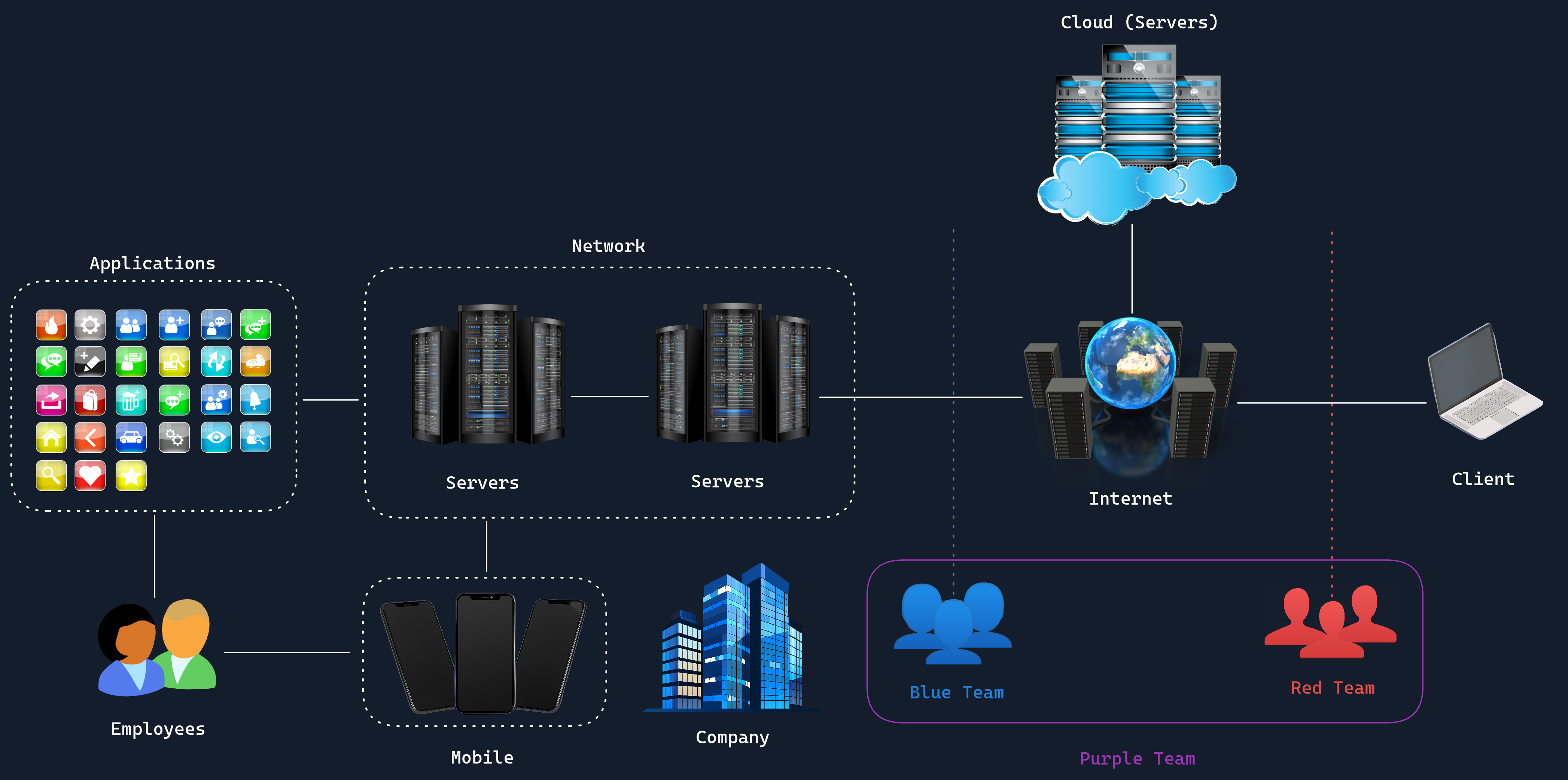
Imagine you own a grand museum filled with priceless artifacts and treasures. You've installed state-of-the-art security systems like alarms, cameras, guards at every entrance. These measures protect against typical thieves who might try to break in quickly and steal what they can. However, a group of highly skilled art thieves decides to target your museum. Instead of a smash-and-grab, they plan meticulously. They study your security protocols, befriend your staff, and over time, infiltrate your museum disguised as employees or contractors. Once inside, they move carefully, avoiding detection while stealing valuable pieces one by one. This prolonged, stealthy heist is similar to what happens during an APT in the cybersecurity world.
The primary objective of an APT extends beyond immediate financial gain, focusing instead on establishing long-term access to sensitive information or critical systems. APT attackers pursue a variety of high-value targets, each with potentially far-reaching consequences. These objectives may include the theft of intellectual property, such as trade secrets, cutting-edge research data, or proprietary technology, which can provide significant competitive advantages.
Government information, including classified documents and intelligence reports, is another prime target, potentially compromising national security. APTs also aim to gain strategic advantages by accessing information that yields economic, political, or military benefits to the attackers or their sponsors. Perhaps most alarmingly, some APTs are designed for disruption, with the capability to sabotage critical infrastructure like power grids, communication networks, or financial systems, potentially causing widespread chaos and economic damage. The diverse and high-stakes nature of these objectives underscores the serious threat that APTs pose to organizations and nations alike.
How it works
An APT attack unfolds in a series of carefully orchestrated stages, much like a complex heist in a high-security facility. It begins with reconnaissance, where attackers meticulously gather information about their target, similar to thieves studying blueprints and security protocols. This is followed by initial infiltration, often through tailored spear-phishing emails or exploiting vulnerabilities, comparable to thieves using disguises or finding hidden entrances. Once inside, the attackers establish a foothold by installing malware and creating backdoors, similar to thieves setting up secret hideouts within the facility.
They then engage in lateral movement, escalating privileges and compromising additional systems, like thieves methodically disabling alarms and accessing restricted areas. The critical stage of data exfiltration involves stealthily transferring valuable information out of the network, much as thieves would carefully smuggle out prized possessions. Finally, the attackers maintain persistence, ensuring they can return even if partially discovered, analogous to thieves establishing multiple escape routes and safe houses. This multi-layered approach allows APTs to remain undetected for extended periods, making them a formidable threat in the cybersecurity landscape.
In 2020, one of the most significant APT incidents occurred in the SolarWinds attack. Attackers, believed to be state-sponsored, infiltrated SolarWinds, a company providing network management software used by thousands of organizations, including U.S. government agencies and Fortune 500 companies. The attackers inserted malicious code into a routine software update. When clients installed the update, they unknowingly introduced the malware into their own systems. This supply chain attack allowed the attackers to spy on a vast number of organizations, steal sensitive data, and remain undetected for many months.
Impact
APTs are among the most dangerous and damaging cyber threats faced by organizations today. Their impact is profound, affecting not just the immediate security of data but also the long-term viability and reputation of organizations.
Such APT attacks can have devastating impacts on organizations, ranging from significant financial losses to long-term reputational damage. The financial toll of an APT attack can be substantial, encompassing direct costs from theft of sensitive information, expensive recovery processes, and operational downtime. Beyond monetary losses, APTs can severely damage an organization's reputation, eroding customer trust and attracting negative publicity.
Legal and regulatory consequences often follow, including compliance violations, hefty fines, and potential lawsuits. The loss of intellectual property can undermine a company's competitive advantage, while attacks on critical infrastructure pose serious national security risks. APTs also lead to operational disruptions, increased security costs, and psychological impacts on employees. The persistent nature of these threats means organizations must remain vigilant against hidden backdoors and recurring attacks. On a broader scale, APTs can have significant global economic and political implications, potentially straining international relations and shifting economic power balances through industrial espionage.